What Is a Tarot Deck?
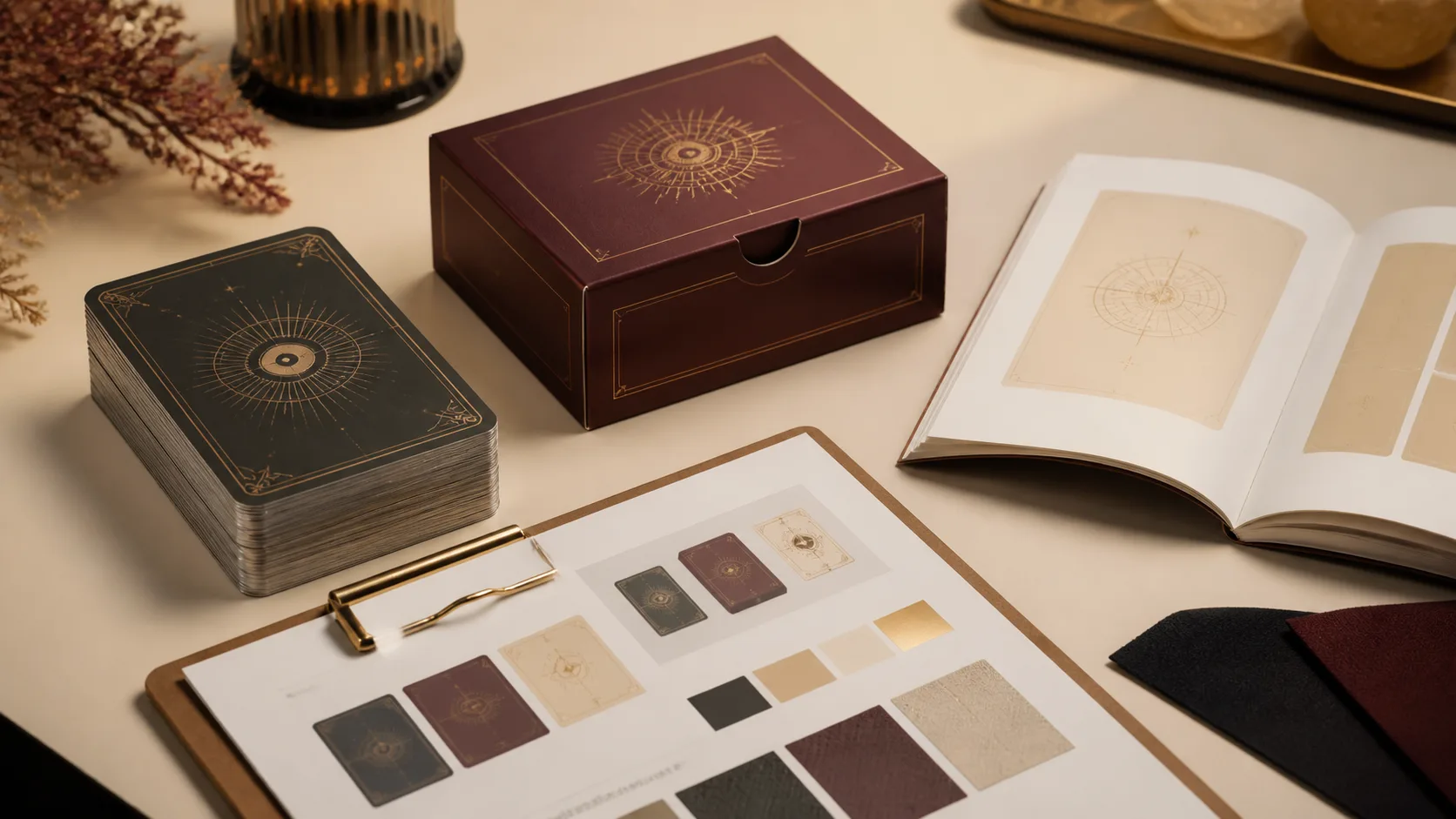
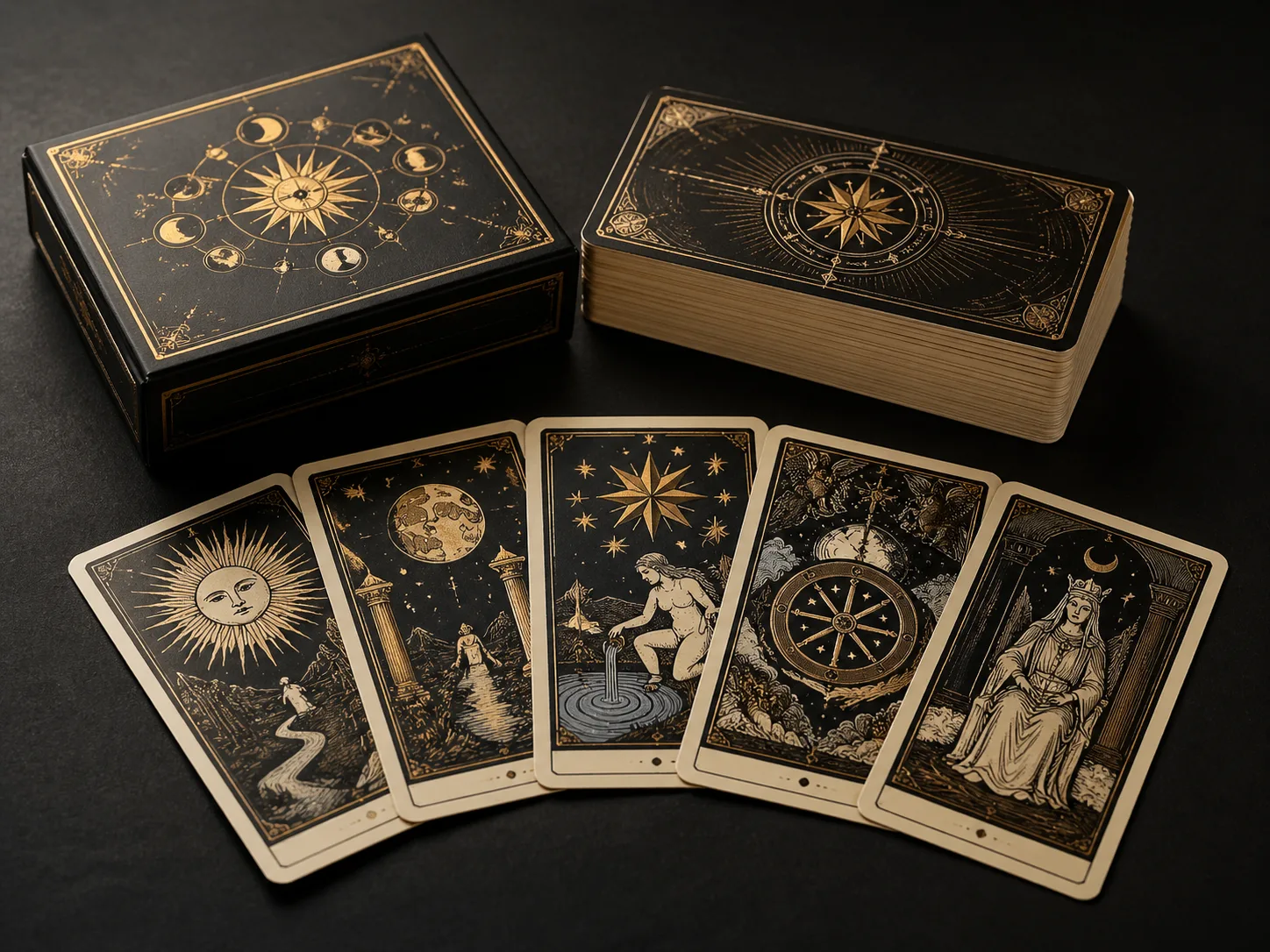
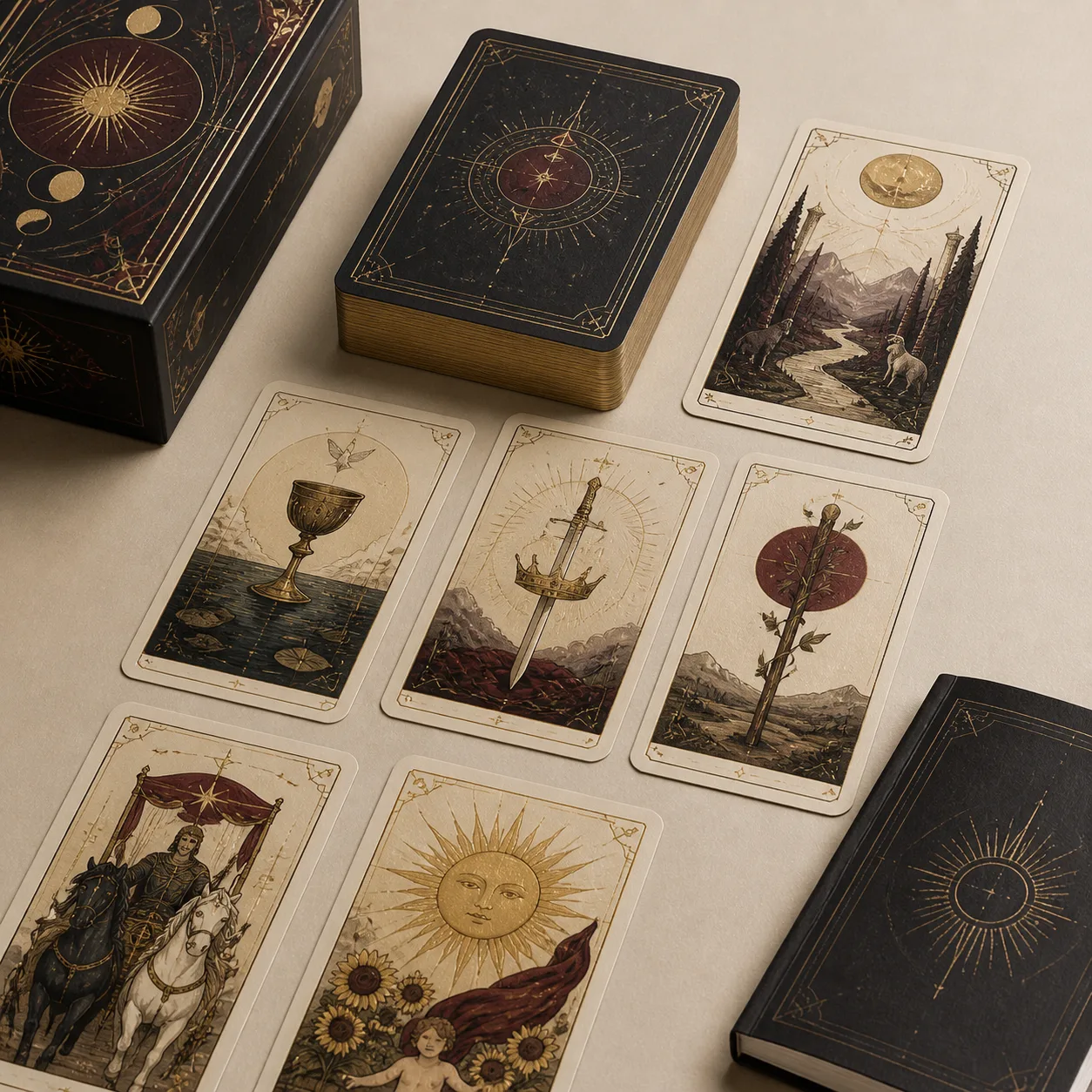
A standard tarot deck uses 78 cards split across major and minor arcana, with enough structure that format, stock, and guidebook choices affect both experience and cost.
Tarot Deck Guide
Make smarter decisions from deck structure and materials to packaging, guidebook scope, pricing, and production timing.
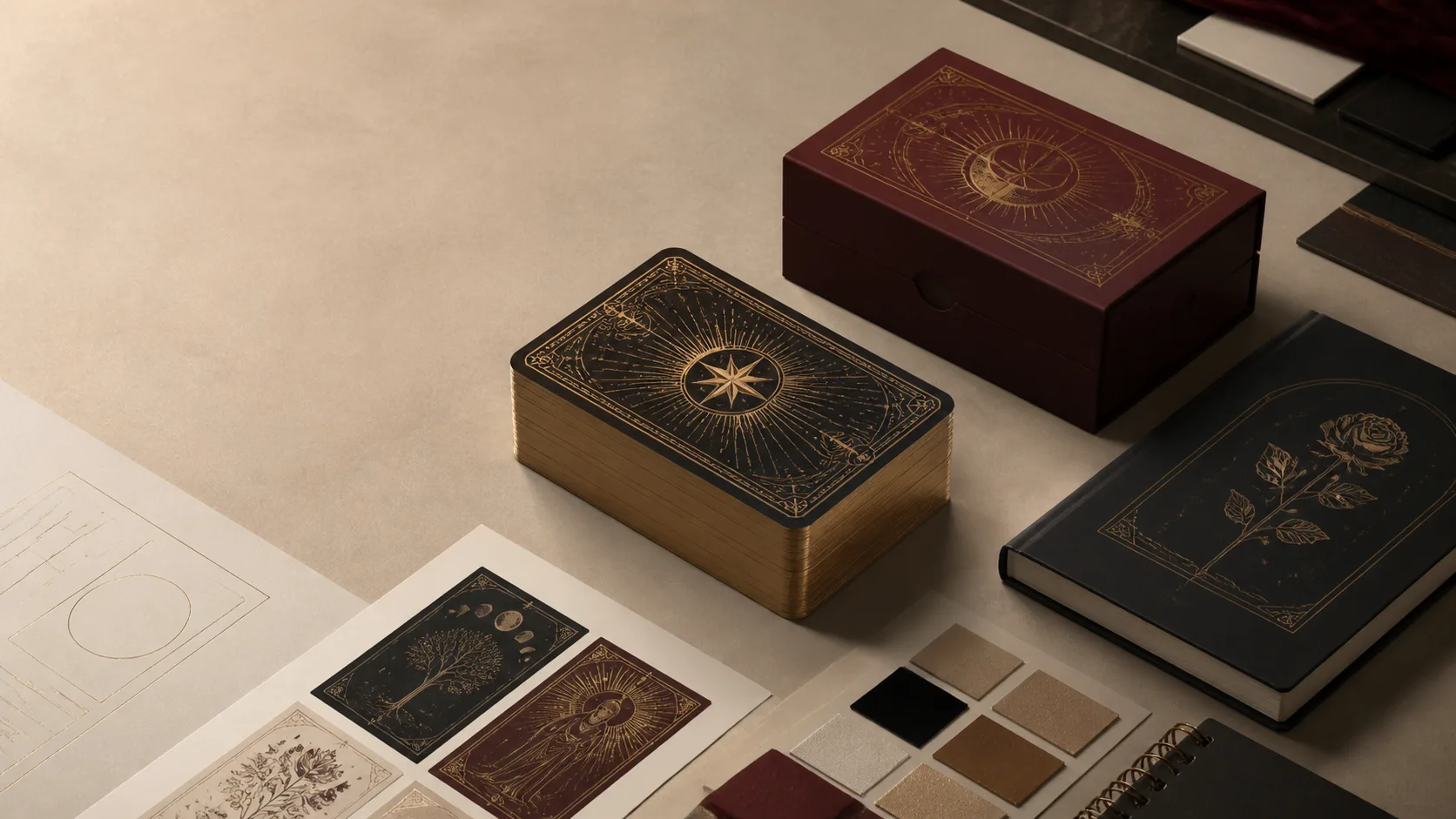
Tarot has a tighter structural expectation than most other deck categories.
A standard tarot deck uses 78 cards split across major and minor arcana, with enough structure that format, stock, and guidebook choices affect both experience and cost.
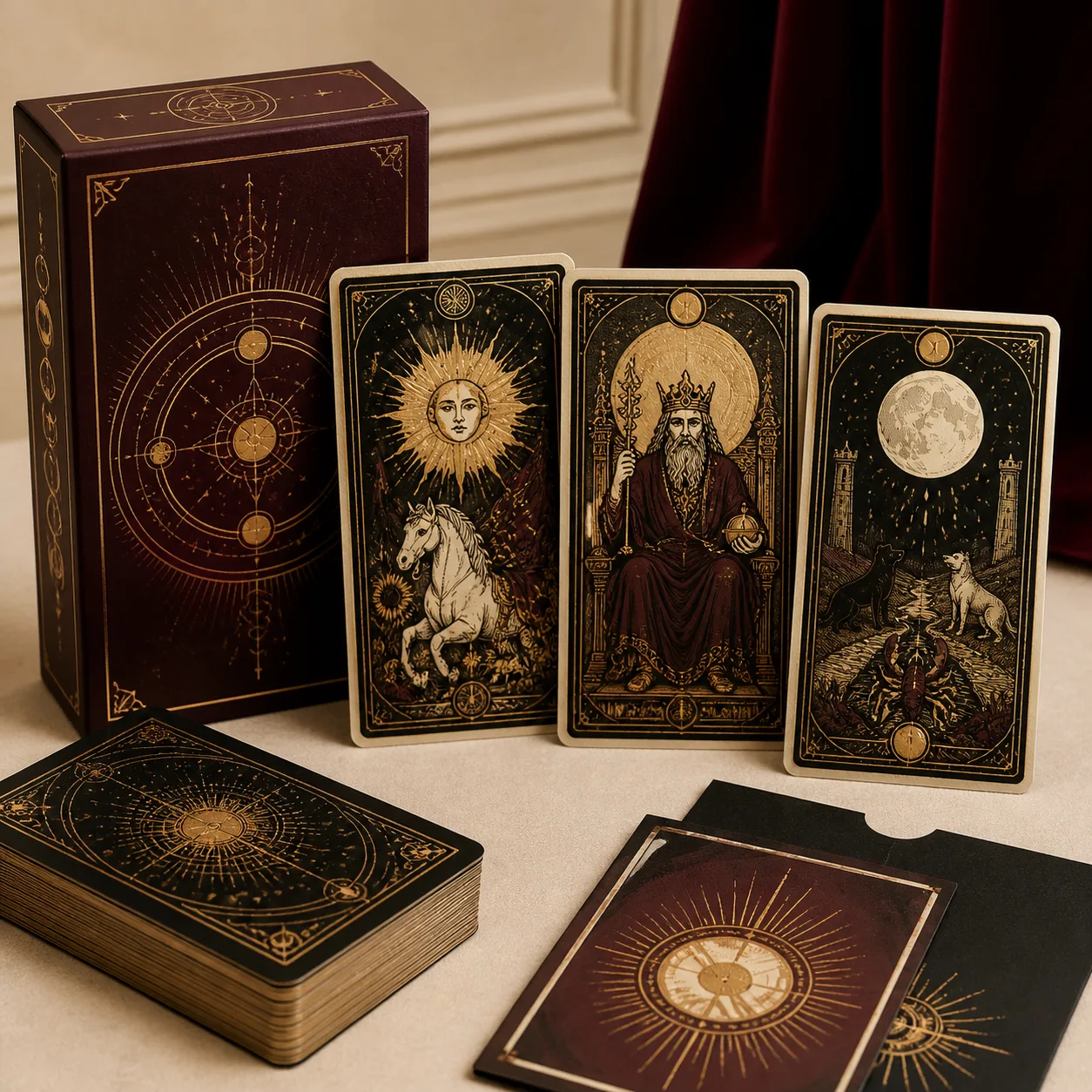
These 22 cards carry the deck's symbolic anchors and are usually the first place where premium print detail matters.
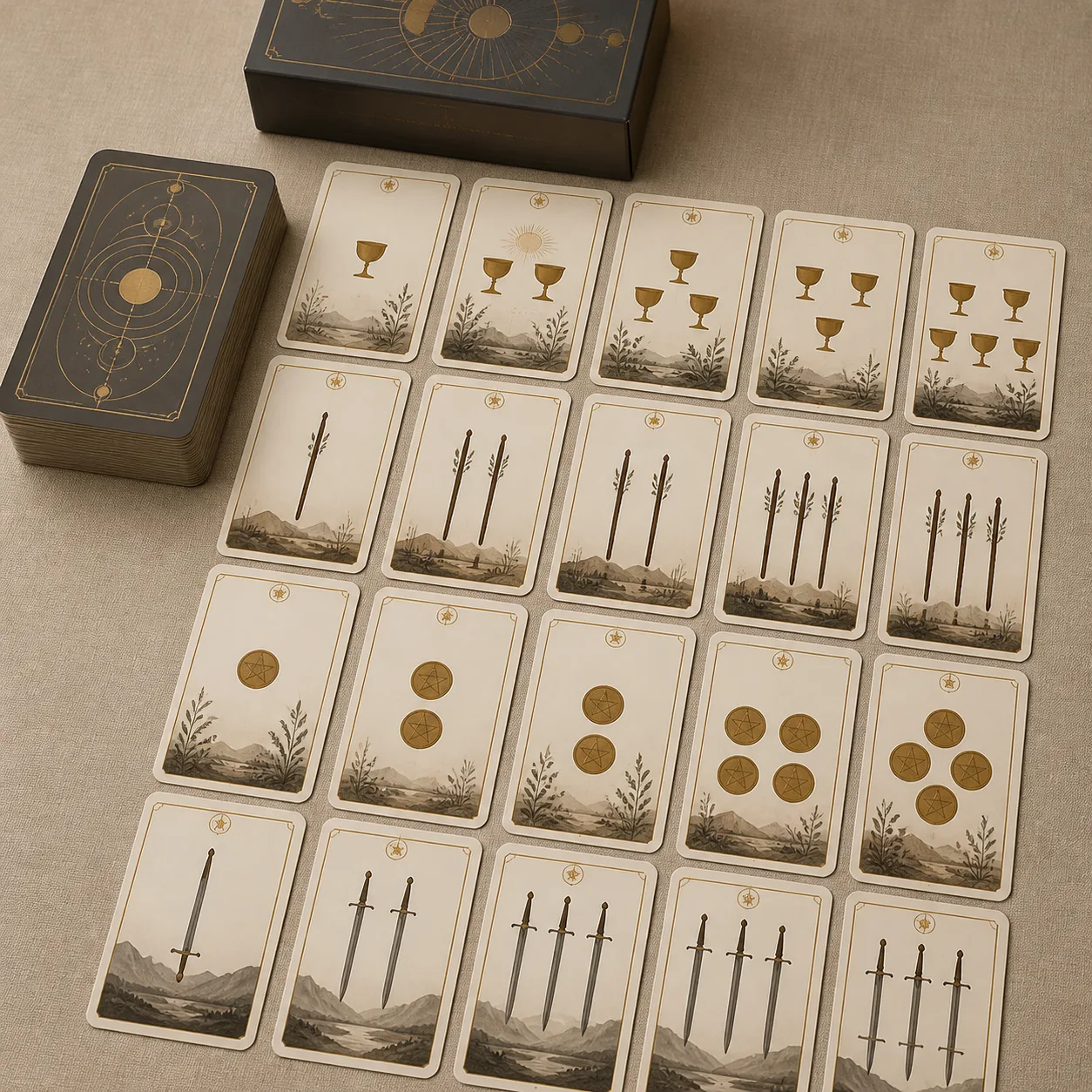
The remaining 56 cards create the everyday reading rhythm, so readability, shuffle feel, and production consistency matter.
These five decisions shape feel, positioning, and final cost more than anything else.
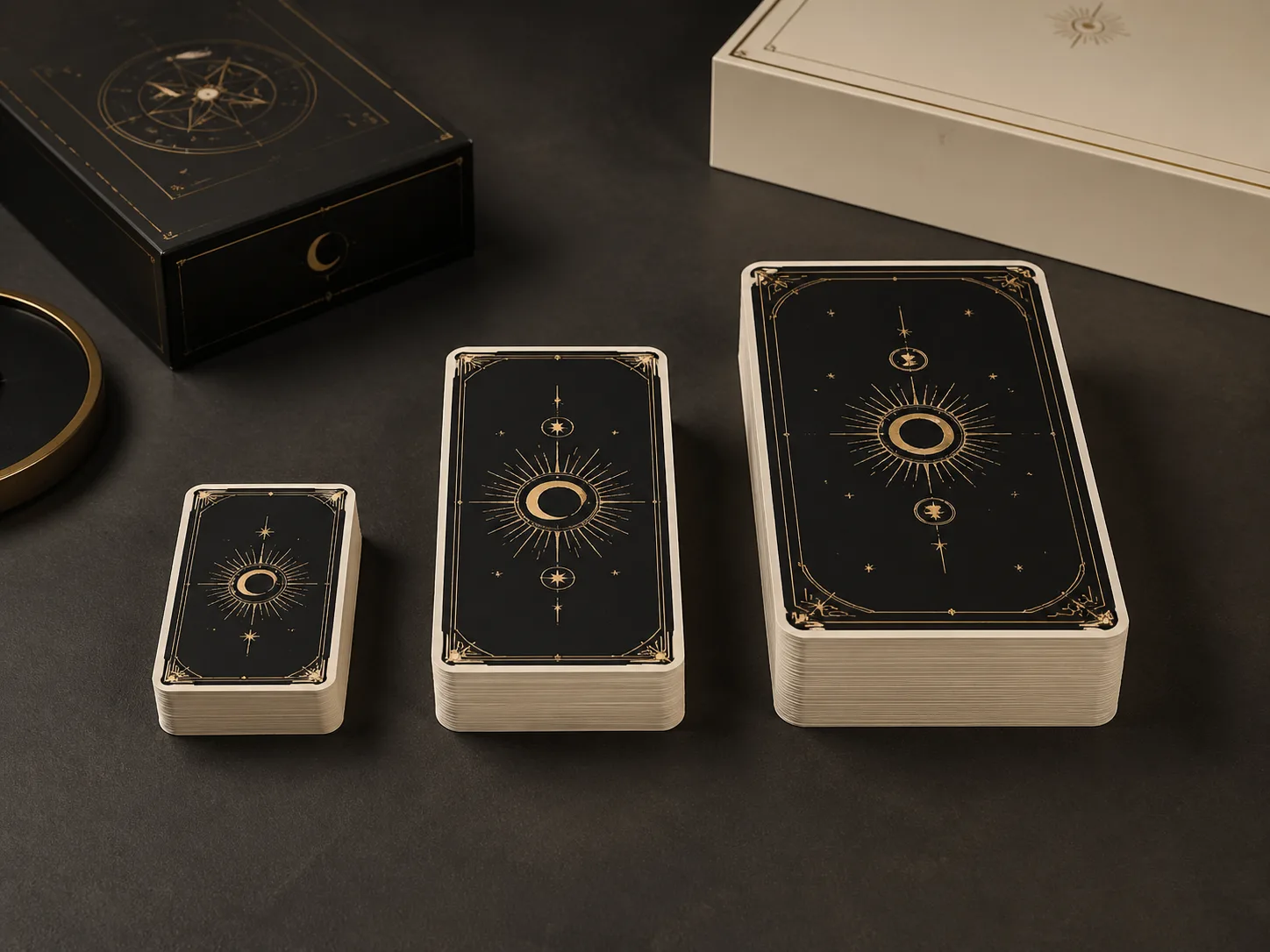
Choose between standard tarot, large-format art decks, or compact variants for gifting and travel.
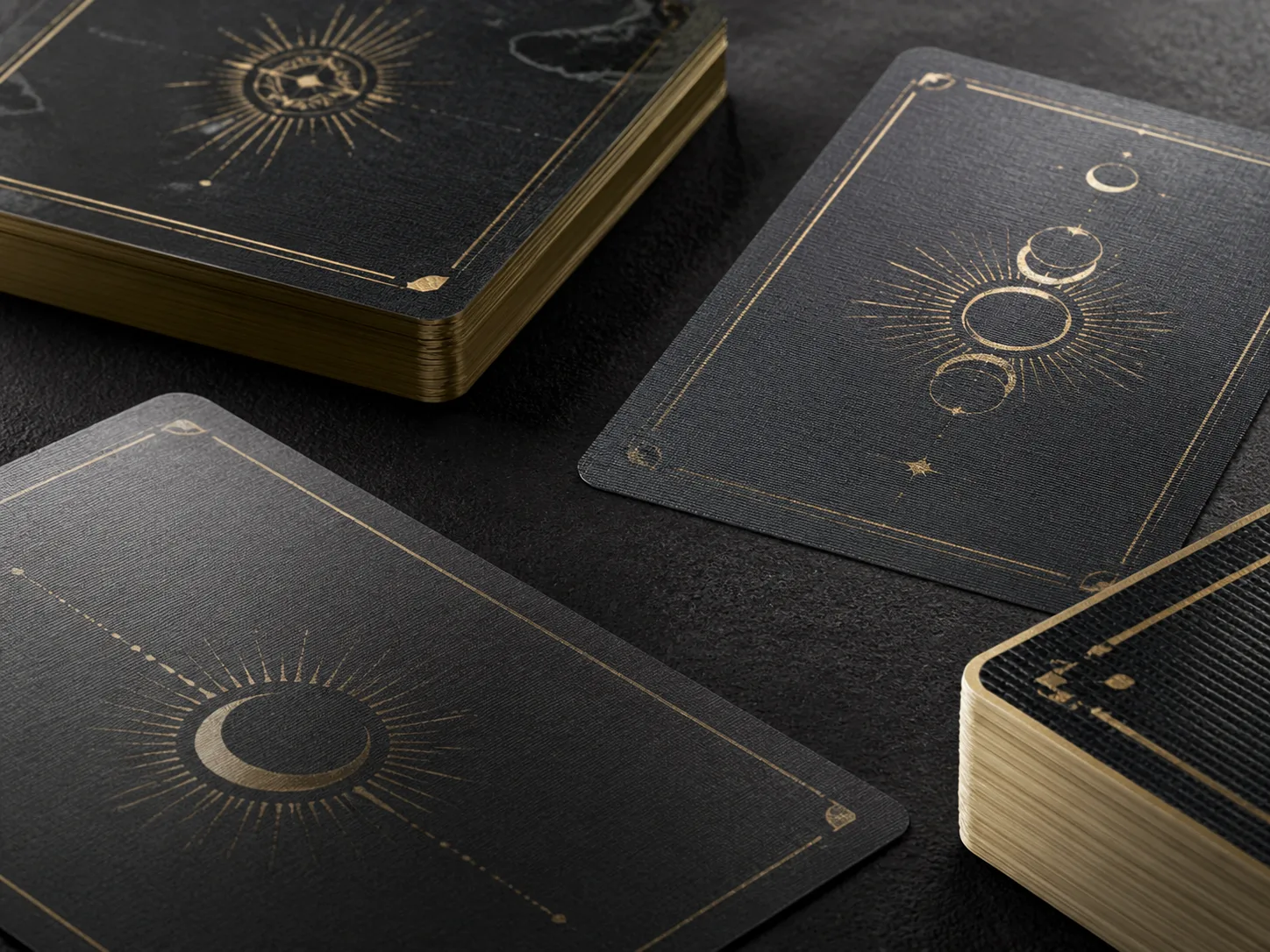
Stock affects bend, durability, print quality, and how premium the deck feels in hand.
Matte, linen, gloss, and foil each change tactile feel, perceived value, and cost.
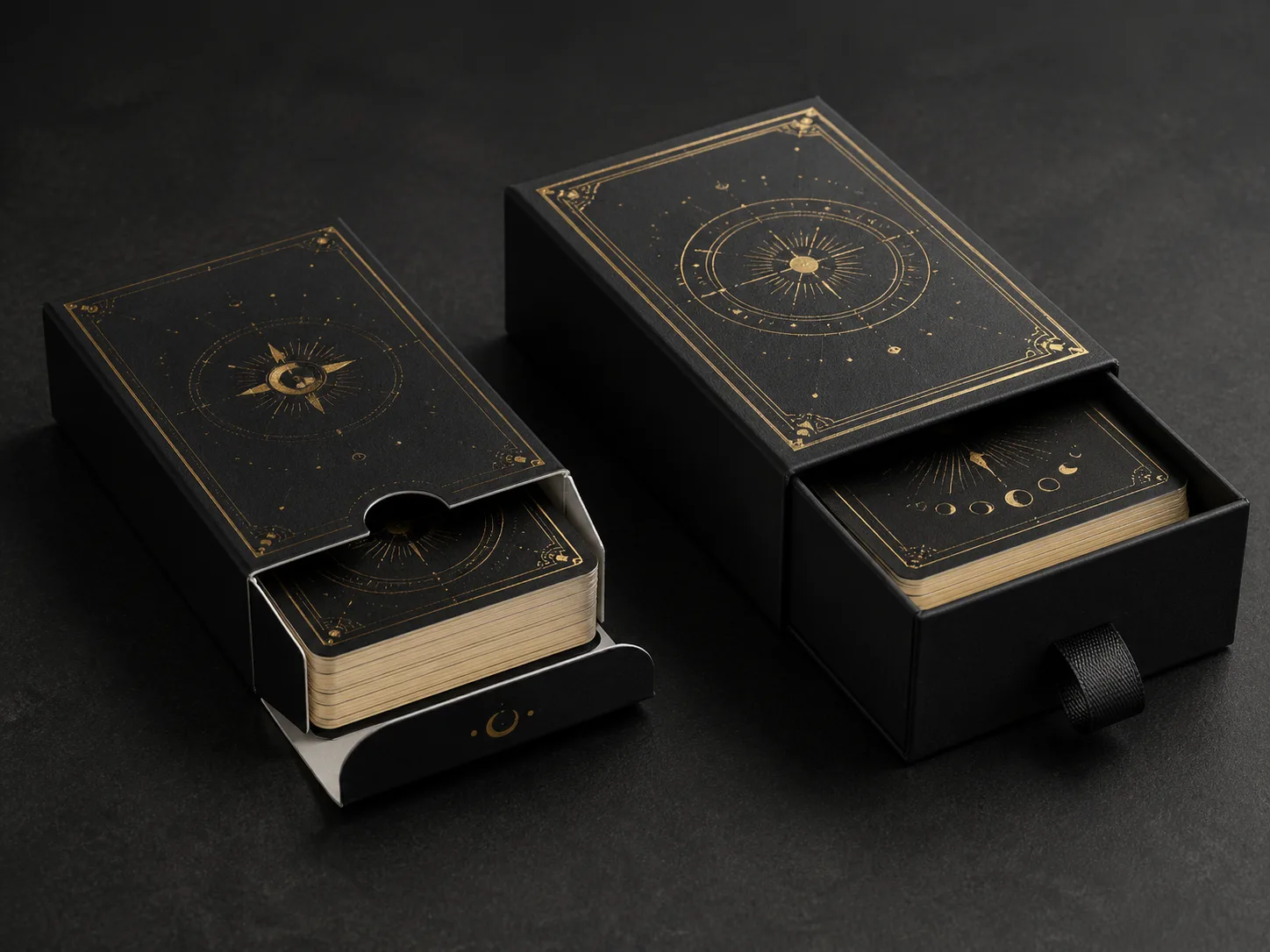
Tuck boxes are lean. Rigid and drawer boxes add unboxing value and protect premium positioning.
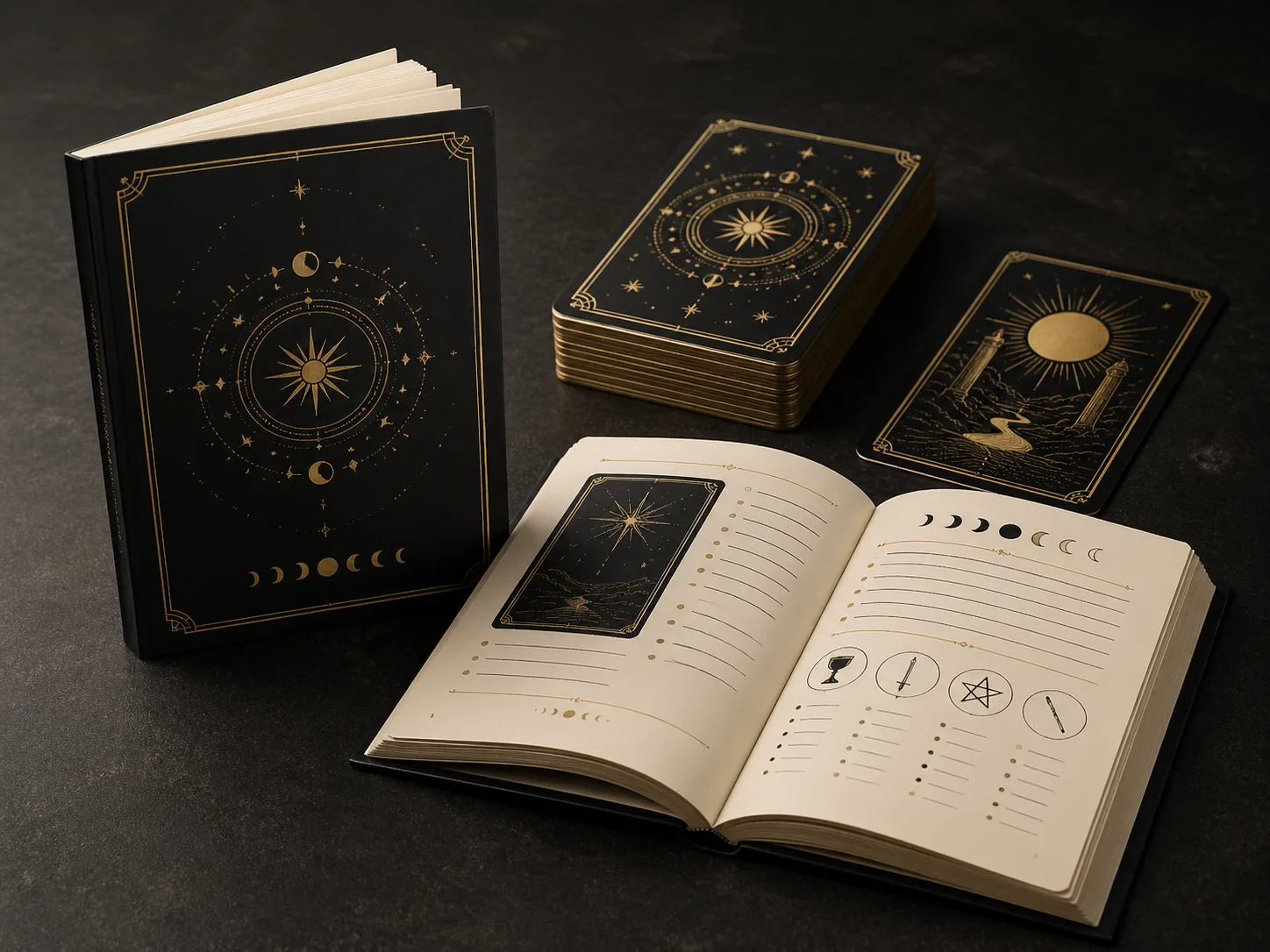
Guidebook page count, paper, and binding can materially change both perceived value and landed cost.
Use pricing ranges as decision support, not as a fixed public rate card.
Use standard builds to sanity-check the first quote path before extras stack up.
Rigid boxes, linen, foil, and fuller guidebooks can move the unit range into a higher bracket quickly.
Plate setup, box assembly, and finishing overhead spread out as quantities rise.
These are the gaps that most often slow quoting or weaken the final deck experience.
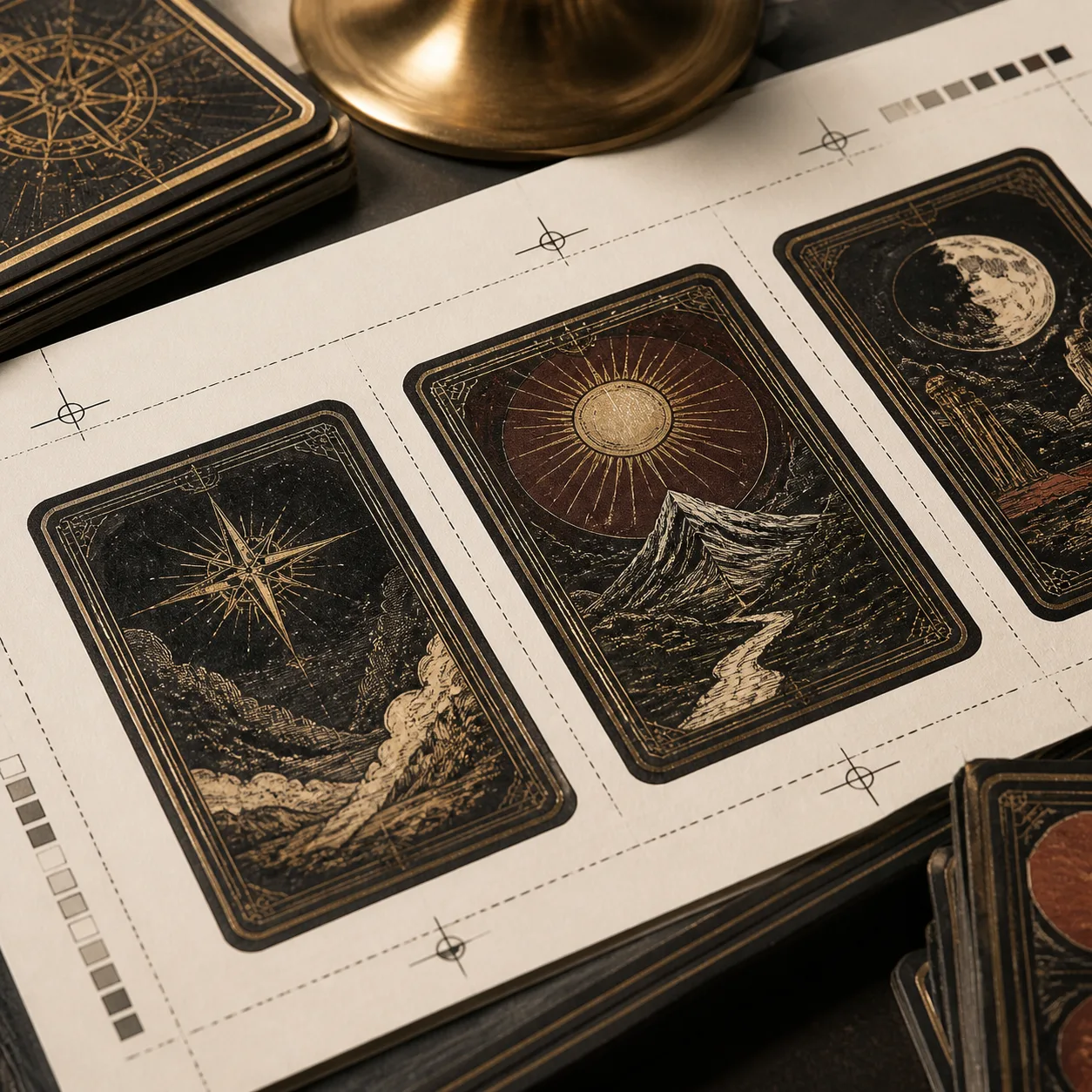
Tarot decks punish alignment mistakes. Border-heavy art needs stricter file prep than most creators expect.
Check file readiness →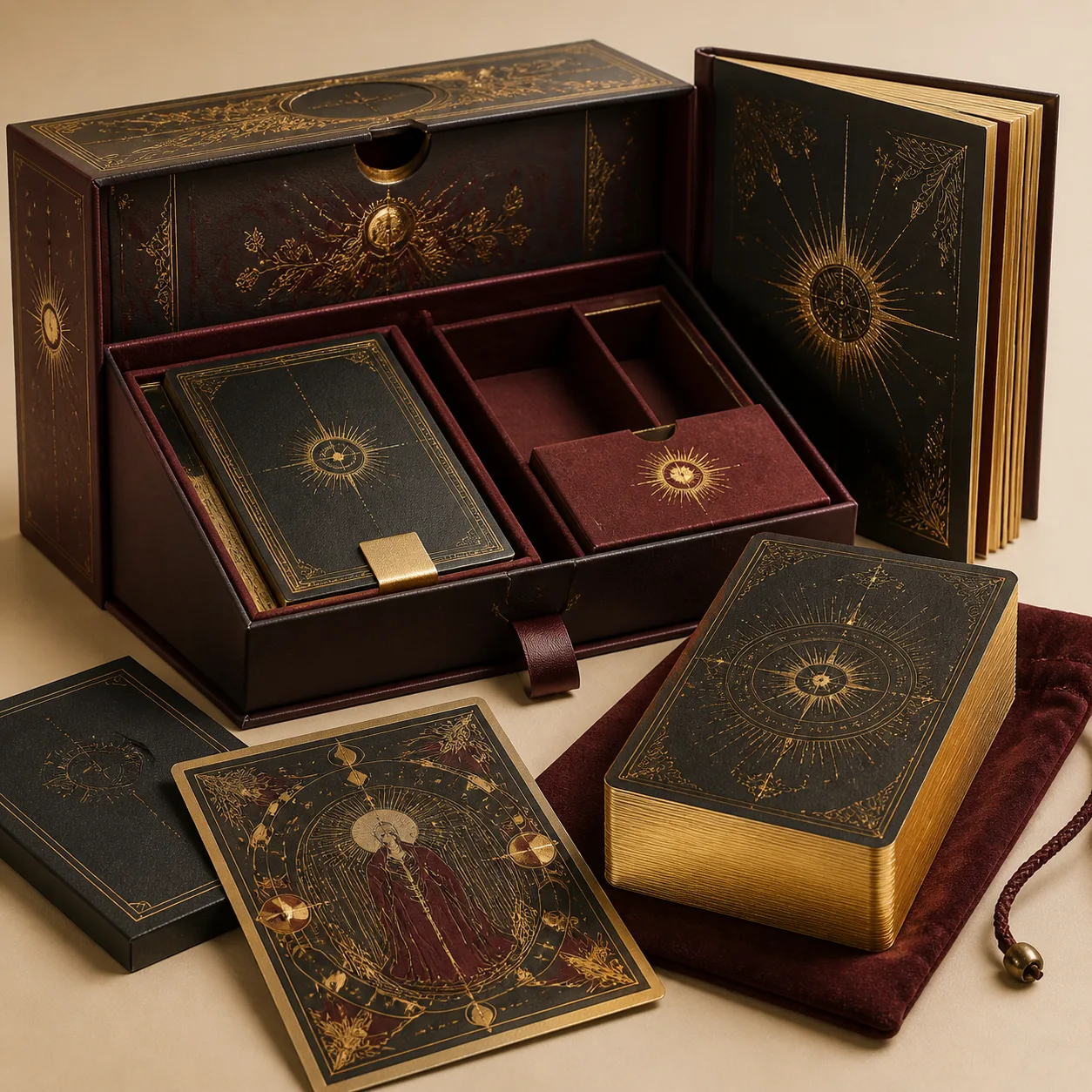
Foil, gilding, drawer boxes, inserts, and long guidebooks can inflate the quote before the core SKU is proven.
See build paths →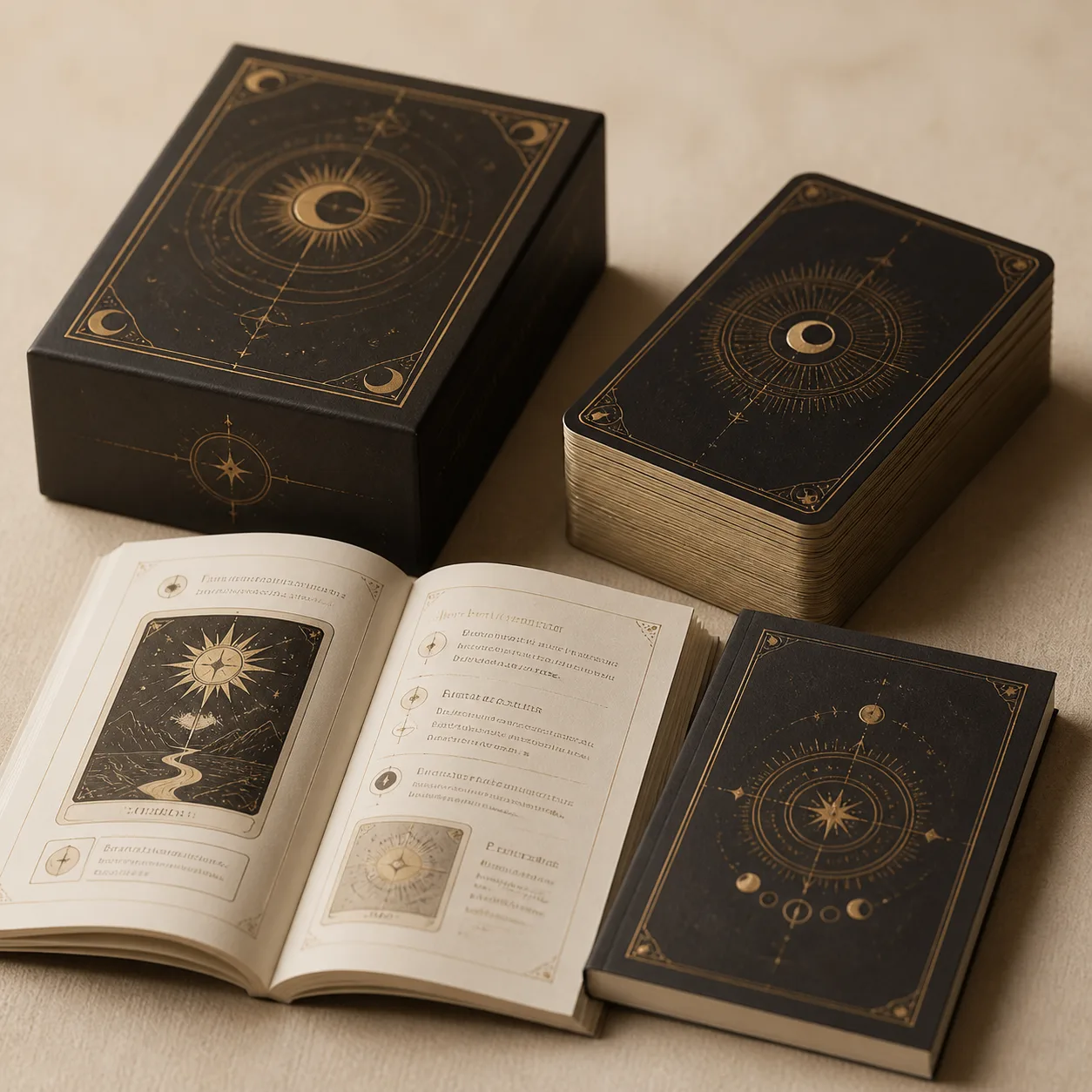
Guidebook structure changes box size, cost, and the perceived completeness of the final product.
Plan the next step →Typical tarot projects move through the same five stages even when complexity changes.
Confirm artwork, backs, borders, and guidebook files before quote assumptions harden.
Review print feel, color, box structure, and any finishing choices before full production.
Full-run printing, collation, guidebook finishing, and box assembly move in parallel.
Before shipment, inspect alignment, finish quality, packaging integrity, and counts.
Coordinate shipping method, destination timing, and any final documentation for import and receipt.
Choose the route that matches how far along the tarot project already is.
You already know the deck direction and want real pricing plus lead-time clarity.
Use the compare tool to see what changes when the deck moves from standard to premium.
If the art, guidebook, or packaging files are still moving, check readiness before pricing.